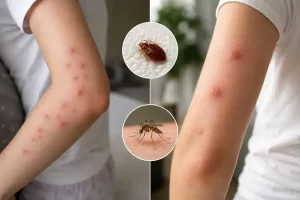
Waking up with itchy bites after long sleepless nights often points to a bed bug infestation. These pests are notorious for hiding in mattress seams, bed frames, sofas, baseboards, and other small gaps, which is why they can be so frustrating to get rid of
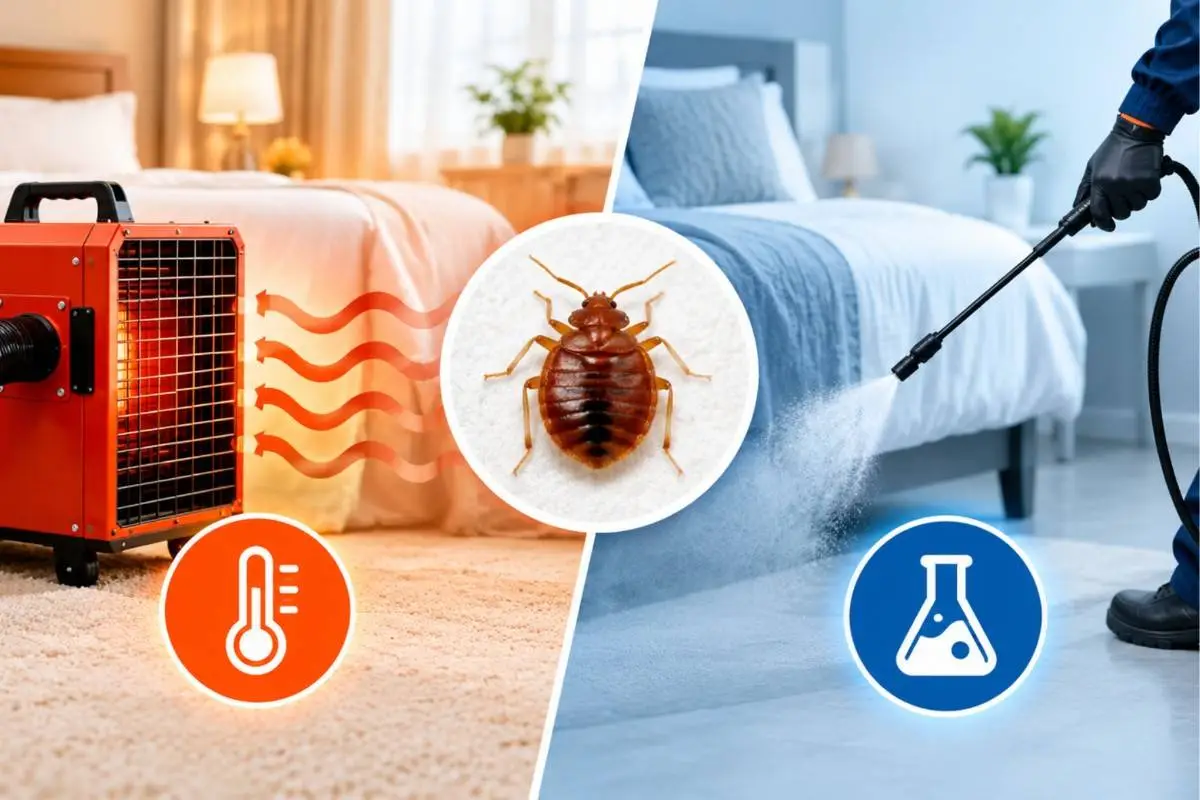
When you start looking for treatment, two options usually come up first: heat and chemical treatment. Both can work, but they do different jobs.
The better choice depends on the size of the infestation, where the bugs are hiding, what is inside the home, and whether follow-up treatment may be needed. Here’s a closer look at how each method works and where one may make more sense than the other.
| Say Goodbye to Bed Bugs! – Contact Us Now! |
How Does Heat Treatment Kill Bed Bugs?
Heat treatment raises the temperature inside an infested room or area high enough to kill bed bugs. Professionals use equipment to heat the space evenly while checking temperatures in different locations.
The goal is not simply to make the room hot. The heat needs to reach the places where bed bugs are actually hiding.
Benefits of Heat Treatment
- Heat can kill bed bugs at different life stages, including eggs, when the right temperature reaches them.
- It can reach bugs hidden inside mattresses, upholstered furniture, and other materials.
- Some infestations can be treated in one visit.
- No pesticide is needed during a heat-only treatment.
Drawbacks of Heat Treatment
Heat works only where the temperature gets high enough. A cooler pocket inside furniture, behind a wall, or in another protected area may allow some bugs to survive.
You may also need to remove or protect heat-sensitive belongings such as candles, medications, certain electronics, and other items that could be damaged.
One more thing to keep in mind is that heat stops working once the treatment is over. It does not leave behind any ongoing protection against bed bugs that could be brought into the home again later, leading to a reinfestation.
How Does Chemical Treatment Work Against Bed Bugs?
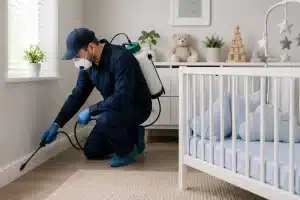
Chemical treatment uses insecticides in the areas where bed bugs are likely to hide or travel. Depending on the product, treatment may be applied around bed frames, furniture joints, cracks, baseboards, and similar areas.
Some insecticides kill on contact, while others remain active on treated surfaces for a period of time.
Benefits of Chemical Treatment
- Products can be applied to specific areas where bed bugs are hiding.
- Some treatments continue working after the initial visit.
- Chemical treatment may be useful in cracks, furniture joints, and other areas that are difficult to heat safely.
- The treatment plan can be adjusted based on the room, surface, and level of activity.
Drawbacks of Chemical Treatment
Chemical treatment often takes more than one visit. Eggs may hatch after the first application, and newly emerged bugs may need later treatment.
Some bed bug populations can develop resistance, which is why using the right product matters.
Residents and pets may need to stay out of treated areas for a certain amount of time and the correct instructions on how long you might need to stay out of the area entirely depends on the product being used.
Randomly spraying store-bought insecticides is not a good substitute for a treatment plan. Bed bugs are easy to miss, and overusing products can create extra problems without actually solving the infestation.
Which Bed Bug Treatment Is Right for Your Home?
No single treatment method is right for every home.
When Heat Treatment May Make More Sense
Heat may be a good fit when bed bugs are spread through several pieces of furniture or more than one room. It can also be useful when treating eggs is a major concern or when you want to limit pesticide use.
The home still has to be suitable for heat treatment, and proper preparation is usually required before the heat treatment appointment.
When Chemical Treatment May Make More Sense
Chemical treatment may be a better fit when the infestation is easier to access, the home contains a lot of heat-sensitive items, or the treatment plan calls for residual protection after the visit.
It can also be more practical when the infestation can be treated in targeted areas instead of heating a larger part of the home.
Is Combining Heat and Chemical Treatment More Effective?
In many cases, combining both methods offers the highest success rate.
Heat can knock down a large part of the infestation quickly, while a residual insecticide may help with bugs that were missed or that move across treated areas afterward.
Using more than one method is part of an Integrated Pest Management, or IPM, approach. That does not mean every home needs both treatments. It simply means the treatment is built around the actual infestation instead of relying on one method by default.
A good plan should explain why each step is being used and where it is needed.
What Should You Do Before and After Bed Bug Treatment?
A few simple steps can make treatment easier and help prevent bed bugs from spreading to other areas.
- Keep infested furniture and belongings in place unless you are told to move them.
- Bag laundry before carrying it through the home.
- Use a hot dryer cycle for suitable clothing and bedding.
- Avoid bug bombs or foggers, which often do not reach the places where bed bugs are hiding.
- Follow all instructions about when it is safe to return to treated rooms.
- Keep an eye out for live bugs or new signs of activity after treatment.
Don’t try to heat an entire room with space heaters, fireplaces, or the home thermostat. That is not the same as professional heat treatment and can create a serious fire risk.
| Get Expert Pest Solutions – Contact Us Today! |
Frequently Asked Questions About Bed Bug Treatment
1. Can bed bugs come back after professional heat treatment?
Yes. A few bugs may survive if the heat does not reach their hiding spot, or new bed bugs may be brought in later through luggage, used furniture, or other belongings.
In apartments, they may also move between units. If you see a live bug after treatment, note where you found it and contact the company that handled the job so they can check what is going on.
2. How long after chemical treatment should bed bug bites stop?
There is no fixed timeline for bites to stop completely. Some bugs may still be active after the first visit, and eggs can hatch later. Skin reactions can also show up after a delay, so a fresh mark does not always mean you were bitten that same night.
Instead of watching bites alone, look for live bugs, spotting, shed skins, or other signs. If activity continues, another treatment may be needed.
3. Do I need to throw away my mattress if it has bed bugs?
Usually not.
Many mattresses can be treated and then covered with a bed bug-proof encasement. Throwing one away too quickly can cost you money and may spread bugs through the home as you move the mattress.
If the mattress is badly damaged or disposal is recommended, it should be wrapped before being carried out.
| Pest Control Service Areas! | ||
| Pest Control Natomas, CA | Pest Control Rocklin, CA | Pest Control Roseville, CA |
| Pest Control Elk Grove, CA | Pest Control Folsom, CA | Pest Control Loomis,CA |
Takeaway
Bed bug treatment should not feel like guesswork. Ask what the company found, why they recommend a certain method, and what happens if activity continues after the first visit.
A clear treatment plan is more useful than simply choosing heat or chemicals because one sounds stronger than the other.
Read More About:
Get Professional Bed Bug Control in Sacramento With Finley Pest Control
If you are dealing with bed bugs or need reliable pest control Sacramento, trust Finley Pest Control. We inspect the problem and recommend a treatment based on what is actually happening in your home.
Serving the Greater Sacramento Area since 2014, our locally owned team provides comprehensive residential and commercial pest control. Whether you need targeted bed bugs control in Sacramento or a full pest inspection in Sacramento, Finley Pest Control delivers customized solutions that work.
Our licensed team (OPR12115) can check the affected areas, explain your options, and recommend the next step.
Give us a call at (916) 741-2847 to schedule your pest control service today.