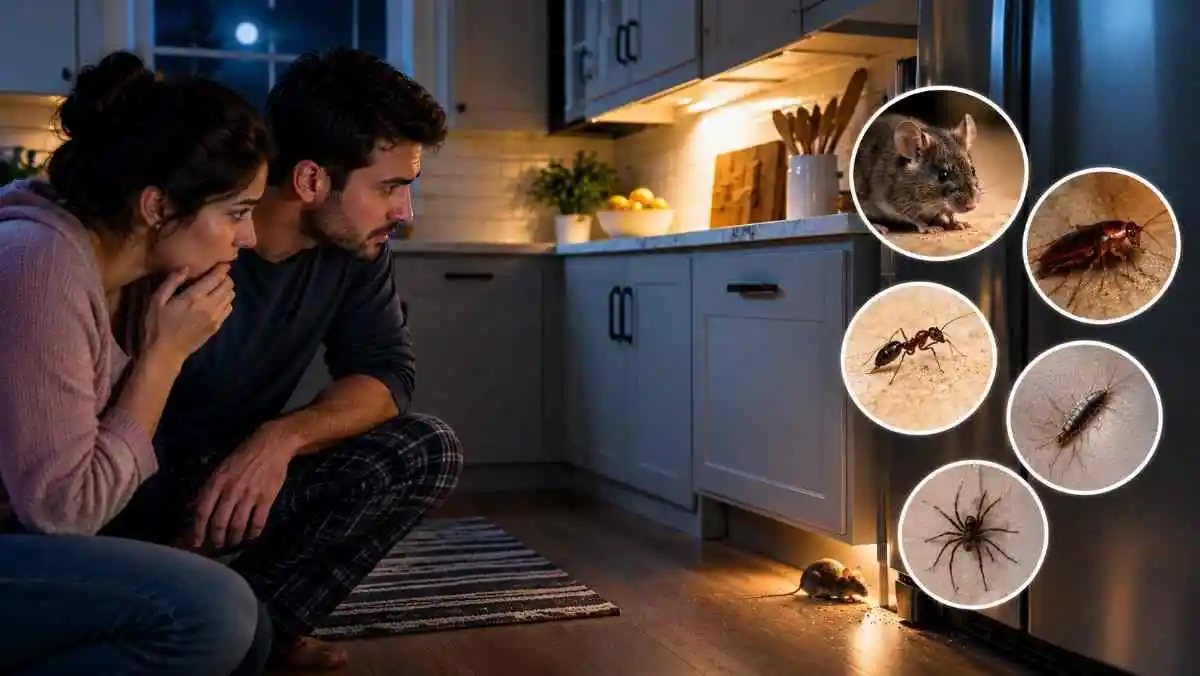
Have you ever walked into your kitchen late at night, switched on the light, and noticed something quickly disappear under the cabinets? You might brush it off, especially if you can’t find anything the next morning.
But just because you don’t see pests during the day doesn’t mean they’ve left your home.
Many household pests prefer to come out after dark, when your house is quiet, and they’re less likely to be noticed or disturbed. Nighttime is perfect for them to search for food, water, and shelter, often without you noticing.
And by the time you spot one, there could already be others hiding nearby. So, which pests should you watch for at night? And how can you tell if they’re living in your home? This blog will answer all your questions! Let’s start with something important.
| Say Goodbye to Unwanted Pests – Contact Us Now! |
Why Do Some Household Pests Come Out at Night?
- Fewer disturbances: With everyone asleep, pests can move around without being interrupted.
- Easier access to food: Crumbs, pet food, and uncovered trash can attract hungry pests.
- Protection from heat: Some insects avoid hot, dry conditions and become more active when temperatures drop.
- Natural behavior: Some pests are naturally more active at night because their bodies and daily routines have adapted to finding food and avoiding danger after dark.
But not every pest follows the same schedule. Some become active around sunset, and others might appear during the day when food is available, or their hiding places are disturbed.
Common Nighttime Pests That Could Be Hiding in Your Home
Here are some common nighttime pests that might be hiding in your home –
1. Cockroaches
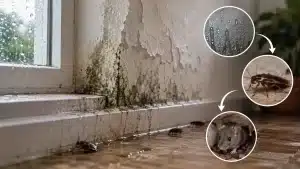
You might not notice anything unusual in your kitchen during the day. But after the lights go out and everyone heads to bed, cockroaches can come out of their hiding spots to search for food and water. By morning, they might be out of sight again, leaving you unaware of their nighttime activity.
Where you might find them –
- Under sinks and kitchen cabinets
- Behind refrigerators and stoves
- Near leaking pipes and drains
- Inside cracks and wall openings
Besides being unpleasant to see, cockroaches can contaminate food and surfaces. Their droppings and shed body parts can also trigger allergies and asthma symptoms in some people.
Signs to look out for: Small, pepper-like droppings, egg cases, shed skins, and a musty odor in areas with a heavy infestation. Learn how to get rid of roaches to help address the problem.
If you’re seeing cockroaches regularly, it might be helpful to schedule a professional pest inspection instead of relying on store-bought sprays.
2. Rats and Mice
Rats and mice are often most active at night. As they move through attics, wall spaces, garages, and kitchens in search of food, you might hear scratching, scurrying, or gnawing sounds, especially when your home is quiet.
And because rodents can squeeze through surprisingly small openings, they don’t need an open door to get inside your home.
Where you might find them –
- Attics and crawl spaces
- Behind kitchen appliances
- Inside garages and storage areas
- Near pantry shelves and pet food
Rodents can chew electrical wiring, damage insulation, and contaminate stored food with their urine and droppings.
Signs to watch for: Scratching sounds, gnaw marks, small droppings, shredded nesting materials, and damaged food packaging. Learn rodent prevention tips to help protect your home.
If you notice these signs, you should never sweep or vacuum dry rodent droppings. You should follow safe cleanup guidance and call for a professional pest inspection to locate possible entry points.
3. Bed Bugs
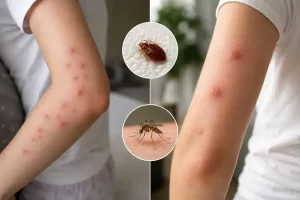
Few things are more frustrating than waking up with itchy spots on your skin and having no idea what’s causing them. Bed bugs are one possible explanation, although bites alone can’t confirm an infestation.
These small, flat insects feed on blood and often become active when people are resting. They usually hide close to sleeping areas, making it easier to reach a host.
Where you might find them –
- Along mattress seams and box springs
- Behind headboards
- Inside bed frame joints
- In cracks near beds and upholstered furniture
But unlike cockroaches, bed bugs aren’t interested in leftover food. They’re looking for people to feed on, and they can find you by sensing your body heat and the carbon dioxide you breathe out.
Signs to watch for: Tiny dark spots on bedding, shed skins, live insects, or rusty-looking stains around mattress seams.
If you suspect bed bugs, inspect your sleeping area carefully. You should avoid moving potentially infested bedding or furniture into other rooms, as this could spread the problem.
4. Spiders
Seeing a spider in your yard might not bother you much. But finding one crawling across your bedroom floor in the middle of the night can be unsettling.
Spiders often hide in quiet corners where they can build webs or catch insects without being disturbed. Some spiders also come out to hunt at night, when there’s less activity around them.
Where you might find them –
- Basement corners
- Garages and storage rooms
- Behind furniture
- Around windows and outdoor lights
Most household spiders aren’t dangerous, and many help control other insects. But finding large numbers of spiders could mean your home also has plenty of insects for them to eat.
Signs to watch for: Increasing numbers of spiders, webs in undisturbed areas, and frequent insect activity nearby.
Since spiders feed on other insects, simply removing them might not solve the problem. If insects are still present in your home, more spiders may show up looking for food. That’s why controlling other insects can also help reduce spider activity. Learn more about spider control basics to understand prevention and elimination methods.
5. Silverfish
Have you ever pulled an old book from a shelf and noticed small holes or damaged pages?
Silverfish could be responsible, especially if you store books, papers, or cardboard in damp areas. These small, wingless insects have silvery bodies and move quickly. They usually avoid light and prefer humid spaces.
Where you might find them –
- Bathrooms and laundry rooms
- Closets and storage boxes
- Under sinks
- Around bookshelves and stored papers
Silverfish feed on starches found in paper, book bindings, wallpaper paste, and certain fabrics.
Signs to watch for: Irregular holes in paper, yellowish stains, shed skins, and small insects darting away when disturbed.
Reducing moisture and storing vulnerable items in sealed containers can help make these areas less attractive to silverfish.
6. Earwigs
Earwigs are easy to recognize by the small pincers at the end of their bodies. Although those pincers might look threatening, these insects rarely cause any harm to people.
They prefer damp, sheltered places and often become active at night. Although they usually live outdoors, they sometimes wander inside through gaps around doors, windows, and foundations.
Where you might find them –
- Bathrooms and basements
- Under flowerpots
- Around patios and exterior doors
- Beneath damp leaves and mulch
Earwigs feed on decaying plant material and other small organisms. They can also damage certain garden plants.
Signs to watch for: Repeated sightings near damp entryways, bathrooms, or areas with excessive moisture.
Since earwigs usually enter from outside, removing damp debris near your foundation can help reduce their numbers.
| Get Help With Nighttime Pest Problems – Call Now! |
How to Keep Nighttime Pests Out of Your Home
Now that you know what to look for, the next step is making your home less attractive to nighttime pests. You don’t need to make major changes overnight. Start with the areas that offer pests easy access to food, water, and shelter.
1. Clean Your Kitchen Before Bed
Your kitchen is one of the first places hungry pests may visit. Before heading to bed, wipe down counters, clean up crumbs, and put leftovers away. Don’t leave dirty dishes sitting in the sink overnight. And if you feed your pets indoors, pick up leftover food and store the bag in a sealed container.
2. Fix Leaks and Reduce Moisture
Cockroaches, silverfish, and earwigs tend to hide in damp areas. So, you should check under your sinks, around toilets, and behind appliances for leaks. If you notice any leaks, have them repaired as soon as possible. For bathrooms and basements that stay damp, try using a dehumidifier or improving ventilation. This can help keep these pests from settling in.
3. Seal Small Openings Around Your Home
Pests can get into your home even if you keep it clean. Check for gaps around doors, windows, pipes, and utility lines that they might be using to get inside. Seal small cracks and add door sweeps if there’s space under your doors. If you find larger openings or signs of rodents, have a professional inspect the area to identify how they are getting inside and whether there is an active infestation.
4. Remove Outdoor Hiding Places
Pests often hide in piles of leaves, firewood, and overgrown plants around your home. If these are too close to your house, pests may eventually find their way inside.
So, keep firewood away from exterior walls, trim plants touching your house, and clear away leaves and other debris. Also, avoid letting mulch pile up against your foundation.
5. Know When to Call a Professional
Keeping your home clean and sealing gaps can help prevent pests from getting inside. But if they’re already hiding in your home, you may need more than these simple steps.
If you keep spotting insects, hearing rodents in the walls, or noticing damage, local pest control services can help. A residential pest control expert can check where the pests are hiding and recommend treatment based on what they find.
| Schedule a Pest Inspection – Call 916-741-2847 |
Questions Homeowners Often Ask About Nighttime Pests
1. Does leaving the lights on keep pests away?
Not always. Some pests stay away from bright lights, but others will still come out looking for food. Leaving outdoor lights on can even attract certain insects. So, keeping the lights on won’t always keep pests away.
2. Can nighttime pests get into a clean home?
Yes. Even a well-maintained home can develop pest problems. Small entry points, plumbing leaks, and outdoor conditions can attract pests. Regular cleaning helps, but it doesn’t eliminate every possible source of an infestation. So, make sure you also check for gaps around your home and fix any moisture problems that could attract pests.
3. What time of night are household pests most active?
There’s no fixed time when all pests come out. Some start moving around soon after sunset, but others stay active late into the night. It also depends on how warm it is, whether they can find food, and how much activity there is in your home. If you’re noticing pest activity at night, a professional inspection can help identify which pests are present and where they’re hiding.
| Pest Control Service Areas! | ||
| Pest Control Natomas, CA | Pest Control Rocklin, CA | Pest Control Lincoln, CA |
| Pest Control Elk Grove, CA | Pest Control Folsom, CA | Pest Control Loomis,CA |
Takeaway
Just because you don’t see pests during the day doesn’t mean they’re gone. Cockroaches, rodents, bed bugs, and several other household pests may become more active after dark.
Since these pests often stay hidden, you should watch for signs such as unusual sounds, droppings, damaged belongings, or repeated sightings. You can also reduce the chances of an infestation by keeping your home clean, dry, and properly sealed. But if you continue noticing signs of pests, it’s best to schedule a professional pest inspection in Roseville to find out where they’re hiding and address the problem before it gets worse.
Read More About:
- Bed Bug Bites vs. Mosquito Bites: How to Tell the Difference
- How Often Should You Do Pest Control?
- Why Pest Inspections Are Essential Before Any Pest Control Service
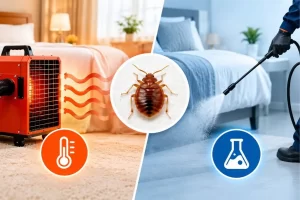
- Bed Bug Treatment Options: Heat Treatment vs. Chemical Methods
Sleep Better Knowing Your Home Is Protected With Finley Pest Control
If you’ve noticed scratching sounds, droppings, or insects appearing at night, Finley Pest Control is here to help. We’ve been serving Roseville and the Greater Sacramento area since 2014. As a locally owned, BBB-accredited, and licensed pest control company (OPR12115), we understand the pest problems homeowners face throughout the year.
Our team provides professional pest control in Roseville, starting with a thorough inspection to find out what’s hiding in your home. Based on what we find, we recommend the right pest removal services and steps you can take to prevent future problems.
Whether you need a pest inspection or an experienced exterminator in Roseville, you can count on us for honest advice, affordable pest control plans starting at $40, and treatments tailored to your home.
Contact us at 916-741-2847 and take back your peace of mind.