Nobody likes finding ants in the kitchen, hearing scratching sounds in the attic, or spotting spider webs in the corners of the garage. And when you finally schedule a pest treatment, one question usually comes up: “What should I do before the pest control technician arrives?”
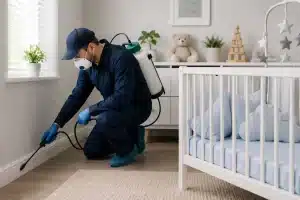
Preparing your home before a pest control treatment can make a huge difference in how effective the service is. It helps the technician work faster, reach problem areas more easily, and deliver better long-term results. So, in this blog, we’ll walk you through how to prepare for a professional pest treatment. We will also help you understand what experienced professionals look for during a visit and how homeowners can help the process go smoothly.
| Book Your Pest Control Service Today – Call 916-741-2847 |
Why Is Preparation Before a Local Pest Control So Important?
You might wonder why you need to prepare at all when you’ve hired a professional team. Can’t the technician just show up and handle it?
While a professional has the training and tools to manage the situation, they need clear access to apply treatments effectively. Pests like ants, roaches, spiders, or bed bugs do not hang out in the middle of the living room floor. They hide in dark corners, behind heavy appliances, inside kitchen cabinets, and deep within closets.
When you prepare your space, you eliminate hiding spots. This allows the treatment to reach the core of the infestation. It also protects your personal items from accidental exposure and prevents your pets from getting stressed or in the way.
Signs It’s Time to Schedule Pest Control
Sometimes, pests give small warning signs before the problem becomes serious. Many homeowners ignore these early signs until the infestation spreads.
- Droppings or strange odors
- Scratching sounds in the walls
- Ant trails
- Spider webs increasing
- Damaged food packaging
- Roach sightings at night
What Happens During a Professional Pest Control Visit?
If this is your first appointment, you may wonder what the exterminators actually do. A standard pest inspection usually includes a set of steps.
- They first inspect the entry points and nesting areas.
- They check kitchens, bathrooms, attics, and garages to identify any moisture issues
- The professional team also looks for droppings, damage, or pest trails.
- Once identified, they apply targeted treatments and recommend the prevention steps.
Some treatments are quick and localized. Others may require more detailed preparation, especially for rodents, cockroaches, fleas, or bed bugs. However, a good exterminator will also explain things so you don’t have any doubts later. Here are some questions they will answer for you –
- What products are being used?
- When is it safe to re-enter treated areas?
- What kind of results should you expect from the pest treatments?
- When should you book again for a revisit?
- How to prevent future infestations?
Room-by-Room Pest Control Preparation Checklist
Every room in your home attracts different types of pests or insects, and so it needs slightly different attention.
1. Kitchen Preparation Tips
The kitchen is the most common spot where pests tend to target because it contains food, water, and perfect hiding places for them.
How to Prepare?
- Wipe countertops, empty trash bins, and clear under the sink to clean it thoroughly.
- Pull appliances away from walls, clean under and behind them.
- Store every food item in a sealed container or the fridge. Even a breadbox left open is an invitation.
- Remove dishes from countertops.
2. Bathroom Preparation Tips
Bathrooms attract pests because of moisture and humidity.
How to Prepare?
- Fix any dripping faucets and dry out sinks before bed.
- Check under the sink cabinet for standing water or leaks.
- Remove items from under sinks
- Fix standing water issues
- Clean drains
- Clear floor clutter
Cockroaches can survive on water alone for weeks, so cutting off moisture is equally important as removing food.
3. Bedroom Preparation Tips
For general pest control, bedrooms usually require minimal preparation. But for flea or bed bug treatments, preparation becomes much more detailed.
How to Prepare?
- Move furniture away from the walls, and pull the bed a few inches out.
- Remove items stored under the bed.
- Keep clothing and linens off the floor.
- Vacuum carpets and wash bedding if instructed
- Clear areas near baseboards
If bed bugs are involved, your pest control company may ask you to wash clothing in hot water, bag linens, and empty drawers.
4. Garage & Storage Areas
Garages, attics, and other storage areas are common hiding spots for rodents and spiders, as they’re the messiest and most overlooked rooms.
How to Prepare?
- Clear storage boxes away from walls, especially cardboard boxes (mice love to nest in them).
- Organize clutter and sweep all debris to make sure the technician has easy entry to the attic hatch and garage corners.
5. Living Areas Preparation
Living areas also offer plenty of hiding spaces for pests.
How to Prepare?
- Move sofas and chairs away from the walls.
- If rugs are present in a problem area, roll them back.
- Remove or store any decorative items sitting on baseboards or low shelves.
| Get Professional Pest Control Help – Contact Us Today! |
How Does Preparation Change Based on the Pest Problem?
Not all pest issues require the same preparation.
| Pest Type | Preparation Level | Common Preparation Tasks |
| Ants | Low | Clean counters and store food |
| Spiders | Low | Reduce clutter |
| Rodents | Medium | Clear garages and remove food sources |
| Cockroaches | High | Deep kitchen preparation and empty the cabinets |
| Fleas | High | Wash fabrics and vacuum thoroughly |
| Bed Bugs | Very High | Laundry, bagging items, and furniture preparations |
What Not To Do Before the Pest Control Team Arrives?
- Don’t use DIY sprays or traps right before the visit. Applying over-the-counter products can repel pests and make them scatter, or interfere with professional treatment products. Let the pros do it right.
- Don’t deep-clean treated areas right before a follow-up visit. If they’re coming in for a second visit, mopping and scrubbing can remove residual treatments from the previous session.
- Don’t move infested items to other rooms, especially with bed bugs or fleas. Moving contaminated bedding or furniture can spread the infestation to previously unaffected areas.
- Don’t forget to tell the pest specialist about pets or health conditions in the home. The pest control team needs to know if someone in your home has asthma, allergies, or chemical sensitivities so they can choose the right treatment approach.
- Don’t assume you always need to leave during the pest treatment. Most standard pest control procedures allow you to stay home. Always confirm with your exterminator beforehand.
What Happens During the Pest Control Team Visit?
1. Pest Inspection
A trusted local pest control team starts by inspecting your home before doing anything else. They’re looking for signs of pests, including droppings, nests, damage, entry points, and conditions that attract pests. This is why your preparation work is very important. The more accessible the space, the more thorough this inspection will be.
2. Discussion and Treatment Plan
Based on what they find, they’ll walk you through a treatment plan. This is your chance to ask questions, share what you’ve observed, and understand the options, including eco-friendly alternatives.
3. Treatment Application
The professionals use pest control solutions strategically to target areas, like baseboards, cracks, wall voids, entry points, and other problematic zones.
4. Post-Treatment Guidance
Before leaving, the professional pest control team should guide you about safety precautions, how long before children and pets can return to treated areas, and what follow-up looks like.
Post-Visit Best Practices: What to Do After Treatment?
Your role does not end when the pest experts leave. To get the best long-term results, you must follow the post-treatment steps.
- Wait before mopping. Don’t wash treated baseboards or floors for at least 3-7 days. Mopping too soon removes the protective barrier.
- Some treatments flush pests out before eliminating them. Activity may spike briefly before it drops off. But don’t panic if it happens.
- Ventilate your home. Open windows after treatment to air things out.
- Follow all instructions your tech provides because every treatment is a little different.
- Severe infestations almost always require more than one visit. So schedule follow-ups.
- If your exterminator flagged cracks around windows, doors, or the foundation, address those as soon as possible. Prevention is the best long-term pest control strategy.
Frequently Asked Questions
1. Do I need to leave my house during a pest control visit?
For standard preventative maintenance or general treatments for ants and spiders, you generally do not need to leave your home. However, you should stay out of treated rooms until the treatment is completely dry. If you have infants, pregnant women, or people with respiratory conditions in the home, ask about extra precautions even for standard treatments.
For specialized treatments like intensive flea work or fogging, leaving the property for a few hours is required. When you work with a trusted local pest control team, they guide you about it before starting the treatment.
2. Is pest control safe for my pets?
Most modern treatments, including those used by local pest control companies, are formulated to be safe for pets once dry. However, you must follow some important precautions.
- Keep pets away from treated areas during application and for 30-60 minutes after.
- Cover fish tanks and turn off air pumps.
- Remove pet bedding, bowls, and toys before the local pest control team visits.
- Always confirm with your provider about specific product safety.
3. How often should I schedule pest control in Roseville?
For general prevention, Homeowners benefit from quarterly treatments, which means four times a year. If you’re dealing with rodents or bed bugs, monthly visits may be necessary until the infestation is resolved. Given warm climate and rapid neighborhood growth, ongoing preventive treatment is often the most cost-effective approach.
4. Can I control pests myself instead of calling a professional?
- DIY products from hardware stores are fine for very minor, isolated problems. But for anything beyond a few ants or the occasional spider, professional treatment is more effective.
- Professionals use commercial-grade products, understand pest behavior, and can identify the source of an infestation quickly. They don’t just treat what’s visible on the surface. They also target hidden nesting areas and help prevent the problem from coming back.
Recurring infestations are almost always a sign that DIY methods aren’t reaching the root of the problem.
| Pest Control Service Areas! | ||
| Pest Control Natomas, CA | Pest Control Rocklin, CA | Pest Control Lincoln, CA |
| Pest Control Elk Grove, CA | Pest Control Sacramento, CA | Pest Control Loomis, CA |
Takeaway
Preparing your property does not take a massive amount of time, but it makes a huge difference in the success of your pest control service. By clearing paths, securing food, and keeping your pets safe, you give the pest control team the perfect environment to eliminate the problem quickly.
Where warm weather keeps pests active for most of the year, and new developments keep shifting pest habitats, you need to stay alert. That means you must go for regular pest inspections, follow good preparation habits, and have a trusted professional on your side. Once you know what to do, it really doesn’t take that long. Follow the checklist above, and you’re already ahead of most homeowners.
Read More About:
Get Peace of Mind With Expert Pest Control Treatments By Finley Pest Control
Whether you need a routine pest inspection in Roseville, a one-time treatment, or ongoing pest control in Roseville to keep your home protected year-round, Finley Pest Control is ready to help!
We’ve helped Roseville homeowners protect their homes from ants, rodents, termites, cockroaches, and everything in between since 2014. We’re a local, BBB-accredited, and A-rated pest control company. We understand the unique seasonal pest patterns in our region. Our exterminators offer reliable, family-friendly solutions customized to your specific property needs.
The best thing about working with Finley Pest Control is that you get an Integrated Pest Management Service. That means we don’t just eliminate pests for now, we follow targeted pest control treatments focusing on long-term protection and keeping it safe for everyone around.
Our pest control services are available at affordable prices starting at just $40 per month. And if this is your first visit, you get an exclusive discount of $50.
Call 916-741-2847 to schedule your pest inspection or treatment service in Roseville and nearby areas today!