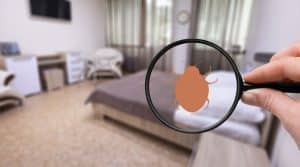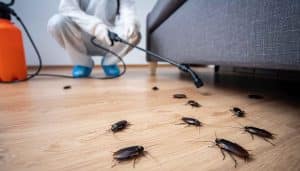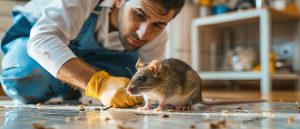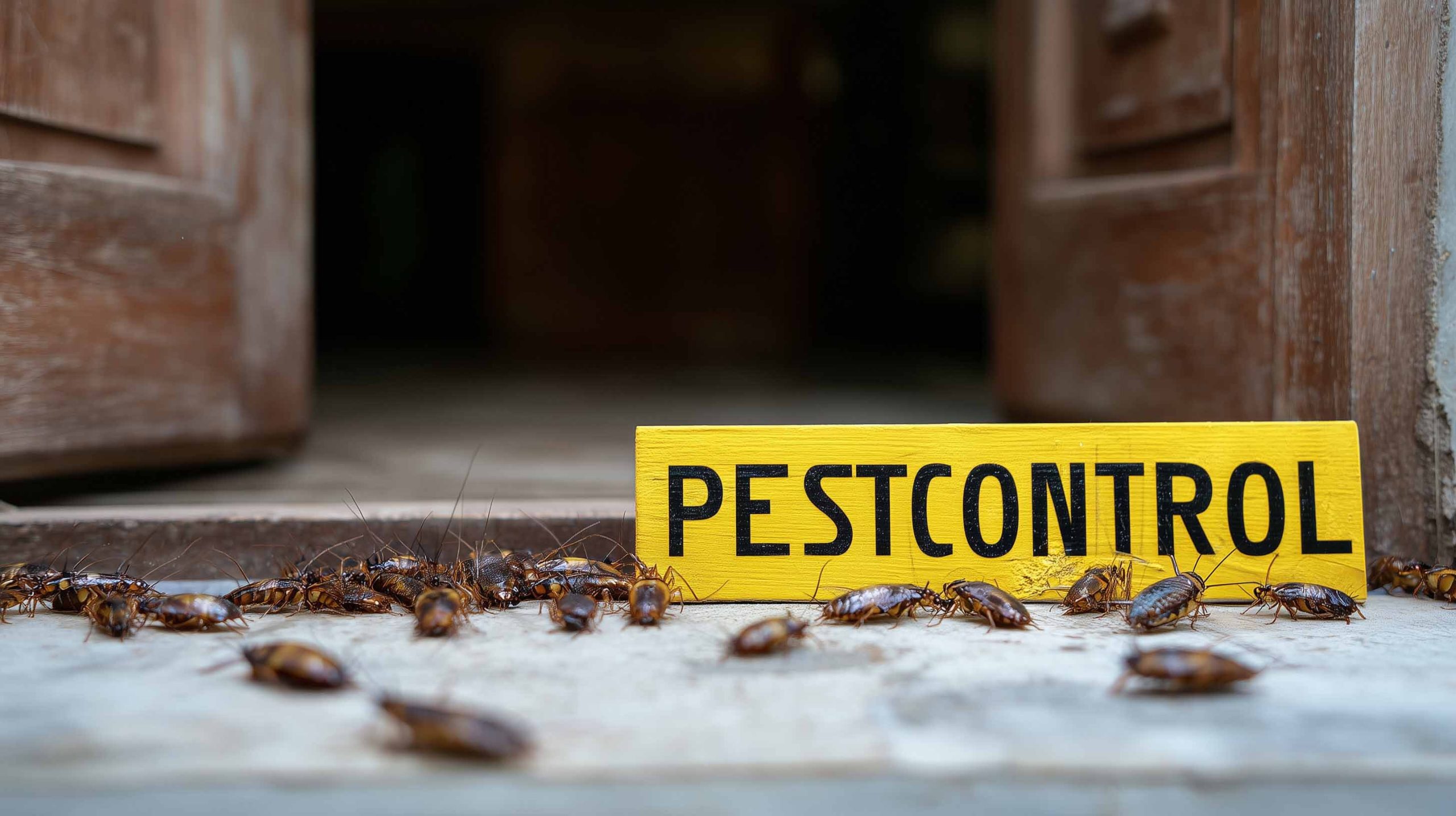
One day, you may find cockroaches hiding in your kitchen cabinets. Another day, you might notice ants or even bed bugs in your bedroom. The most annoying part is trying those highly advertised TikTok store products to get rid of them, only to see the pests come back again.
That’s a very common experience for many homeowners. Pest control isn’t always a one-and-done solution, especially when the root cause stays unresolved. And it’s definitely not a task you can DIY in one weekend!
So, what can you do instead?
Well, your first task should be to understand why your last pest control treatment failed. This way, you can avoid the same mistakes the next time!
In this blog, we’ve included everything you need to know about the reasons behind pest control treatment failure and how you can fix the situation for good!
| Get Expert Help Before Pests Get Worse – Contact us Today! |
Why Did Your Last Pest Control Methods Fail?
Pests don’t come back because you made a mistake. They return because one spray or one visit can’t always solve the full problem. Pests adapt quickly, hide well, and look for comfort wherever they can find it. When even one part of the issue gets overlooked, they move right back in and settle again. Here are the most common reasons pest control treatments fail.
1. The Problem Pest Was Never Fully Identified
Every pest behaves differently and responds to different treatments. When the pest isn’t identified properly, the solution will only work on the surface and not at the source. This can happen because –
- Not all insects react to the same products
- Treating ants like roaches never works long-term
- The real pest may still be hiding out of your sight
Without proper identification, treatment can miss the root of the problem, and the pests will always keep coming back.
2. The Treatment Only Took Care of What You Could See
Spraying visible bugs can feel like progress. But it often fails to solve the full issue! Many pests can still hide deep inside your walls, drains, or floors, where sprays never reach. This happens when –
- The treatment killed surface bugs, but nests stayed active
- Eggs stayed untouched and later hatched
- Hidden pests survived the treatment
When the source stays alive, the infestation can restart before you even notice it.
3. Entry Points Were Open
Pests don’t need much space to get inside your home. Small gaps and cracks can become easy entryways if no one seals them. This can happen when –
- Gaps around doors and windows stayed open
- Cracks in walls or foundations went unnoticed
- Vents and utility lines allowed pests back in
As long as pests can enter freely, treatments won’t last.
4. Food and Water Sources Were Still Available
Pests can return when your home continues to offer what they need to survive. If you have small amounts of food or moisture, your home can attract pests again.
- Crumbs and spills attract insects again
- Standing water or leaks can create perfect conditions
- Trash and pet food can make pests come back
When food and water remain, pests see no reason to leave.
5. One Treatment Wasn’t Enough
Most infestations need time to clear out completely. When treatment stops too soon, pests regroup, recover, and start spreading again. Problems can arise when –
- Eggs hatched after the first treatment
- Some pests avoided treated areas temporarily
- You didn’t opt for follow-up visits
These mistakes can make the pests come back to your property again!
6. The Treatment Overlooked Pest Behavior
Pests follow specific daily and seasonal habits. When treatment doesn’t match how or when pests move and behave, it can lose its impact fast.
- Some pests come out mainly at night
- Seasonal changes shift where and how pests move
- The treatment missed the right timing for that pest
When you match treatment to pest behavior, the service can last longer and work better.
How to Fix Pest Problems the Right Way?
Opting for DIY methods or buying a few trending pest products to get rid of pests is not a permanent solution. Stop searching for temporary fixes; a professional service for pest control provides the reliable approach you need to solve pest problems permanently.
Instead of relying on guesswork, the pros will combine inspection, strategy, treatment, and prevention to ensure you don’t have to deal with pests for a long time.
Here’s what they can do for you!
- Start with a proper inspection: Professionals will check your home inside and out to find the exact pest, nesting areas, and entry points.
- Create a treatment plan that fits your problem: They’ll provide a solution that will always match the pest’s behavior, not a one-size-fits-all approach.
- Target nests, eggs, and hiding spots: Treatments will take care of visible and hidden pests to stop the source of the infestation.
- Seal entry points and risk areas: They’ll close small gaps, cracks, and openings so pests can’t return.
- Remove attractants around your home: The pros will address your food sources, moisture issues, and clutter to make your space less inviting for pests.
- Schedule follow-up visits if needed: They’ll provide you with continued service to ensure pests don’t recover or spread again.
When professionals handle the process the right way, pests will lose their access, and you’ll get your peace of mind back.
| Get Rid of Pests Permanently – Book a Service Now! |
Common Questions Homeowners Ask Before Choosing Pest Control!
1. How many times should pest control be done?
You should schedule pest control based on how active pests are in your home. Most homes do well with service every three months. If you deal with heavy pest activity, you may need more frequent visits.
Regular pest control can help stop pests before they settle in again. If you opt for regular service, your home will stay safe, clean, and healthy at all times.
2. What not to do after pest control?
You should avoid cleaning treated areas right away. Don’t wipe, scrub, or wash baseboards for at least a day. You need to let the treatment settle so it can work properly. This can help pest control last longer and stay effective.
3. How long after pest control can I mop in the house?
You should wait at least 24 hours before mopping your floors. Mopping too soon can remove the treatment. You need to opt for only light cleaning if needed. Waiting can help the products do their job properly. This way, you can get better and long-term results!
| Pest Control Service Areas! | ||
| Pest Control in Roseville, CA | Pest Control in Rocklin, CA | Pest Control in Lincoln, CA |
| Pest Control in Elk Grove, CA | Pest Control in Sacramento, CA | Pest Control in Loomis,CA |
Takeaway
If pests keep showing up in your home, the problem is usually bigger than a single spray or visit. Pests can come back into your property when treatment misses entry points, nests stay active, and you don’t treat the main cause.
You can control pests better when you understand how they live, move, and get into your home. When you fix the source, you’ll get effective long-term results. With a strong pest control plan and ongoing care, you can stop frequent infestations and relax in your space again.
Read More About:
Remove Pests From Your Property For Good With the Help of Finley Pest Control!
At Finley Pest Control, we offer excellent professional services for pest control in Folsom, CA. We’re a locally owned and operated company with over a decade of experience in the industry. You can trust our trained team at Finley without any hesitation.
We also provide free pest inspection service in Folsom! With the help of our one-time or ongoing bi- monthly services starting at just $40, you can get rid of cockroaches, spiders, bed bugs, fleas, rodents, and ants efficiently and quickly. So, you won’t have to worry about them coming back after we are done with our treatments at your home.
We provide custom plans for every home! You can call our experts at (916) 741 2847 and get rid of pests from your property permanently!