If you’ve spotted some tiny insects hopping around your yard or inside your home, you need to take action quickly before they turn into a nightmare. These tiny insects could be fleas. They are small, but spread very fast, cause itchy bites, and make life uncomfortable for your family and pets.
Did you know that most flea infestations actually start outdoors, not indoors? Now, the question is, how should you treat your yard for fleas effectively so they never make it inside!
Dealing with fleas requires a strategic approach that combines smart landscaping, natural remedies, and, often, the help of a professional flea control team in your area.
In this blog, we’ll walk you through simple landscaping techniques, choosing the right mulch, and how our reliable pest control service can make all the difference.
Protect Your Yard From Fleas – Contact Us Now! |
Why Do Fleas Choose to Stay in Your Yard?
Before you look for a reliable flea treatment, you must understand what these tiny insects prefer.
Fleas don’t just hang out waiting for a host; they are actively seeking conditions that support their entire life cycle.
What Fleas Love Most and How Do They Behave?
1. Shade & Moisture
Flea larvae can’t handle direct sunlight. They prefer cool, damp, shady spots like under decks, thick shrubs, or your pet’s favorite resting area.
2. Organic Debris
Flea larvae don’t drink blood; they feed on flea dirt, which is adult flea feces that fall off the host. They hide in the organic matter of your yard, like leaf piles, grass clippings, and ground cover, while they develop.
3. Reproduction
A single female flea can lay up to 50 eggs a day. Eggs drop into grass, soil, mulch, and shaded areas, then wait for the right moment to hatch.
4. Movement
Fleas don’t fly, but they jump incredibly well, up to 150 times their height. If your pet walks through a flea hotspot, those fleas hop on instantly.
Knowing this helps you understand why yard treatments are necessary. Fleas don’t disappear on their own; you must disrupt their environment.
What Are the Signs of Flea Infestation in Your Yard?
If you notice any of the signs mentioned below, fleas have already attacked your yard.
- Pets scratching immediately after going outside
- Tiny dark dots hop when you walk through the lawn
- Flea bites around the ankles or lower legs
- Increased wildlife activity (raccoons, stray cats, rodents)
- Pets are bringing in fleas despite regular grooming or medication
If you’re unsure, getting a pest inspection can help confirm the infestation before it spreads indoors.
How to Treat Your Yard for Fleas?
1. Lawn and Landscape Hygiene
You can reduce flea populations just by changing the way you maintain your outdoor space.
Allow More Sunlight
Fleas love to live in humid, shaded areas. So the more sunlight and airflow you introduce, the fewer hiding spots they have.
Mow Smart
Keep grass shorter in areas where your pets spend time. Shorter grass lets sunlight reach the soil and disrupts flea development.
Trim & Thin
Cut back thick ground cover and low branches. This improves airflow and exposes shaded soil to more sunlight.
Rake & Remove
Clear away leaf piles, grass clippings, and any yard debris. This takes away both their shelter and their food source.
2. Use The Power of Mulch
Choosing the right mulch here is very important because mulch can either help keep fleas away or make your yard more inviting to them.
Avoid Moisture-Holding Mulches
Pine straw and regular wood chips trap moisture and create soft, dark hiding spots. These are perfect for flea larvae to grow. If you use them, keep the layer thin and make sure plenty of sunlight reaches the ground.
Choose Cedar
Cedar mulch naturally repels fleas because its oils are toxic to them. Spread a 2-3 inch layer around flower beds, under shrubs, and anywhere your pets like to relax.
Avoid Cocoa Mulch
It smells great but is toxic to dogs, so keep it off your list.
3. Natural Treatments You Can Apply
If you prefer DIY flea control, these two natural options can help keep flea numbers down.
Diatomaceous Earth (DE)
This soft, white powder is made from crushed fossilized algae. When sprinkled on dry grass or soil, it damages the flea’s outer shell and dries them out.
Note – DE only works when dry, so reapply after rain and always use food-grade DE.
Beneficial Nematodes
These tiny, harmless worms live in the soil and naturally hunt flea larvae and pupae. Just apply them to moist soil, and they’ll do the rest. They’re safe around kids, pets, and plants.
When Should You Call Professionals for Flea Control?
When you’ve applied all the DIY tricks to control fleas, and they keep returning, you need a professional pest control service. Fleas can develop resistance, and their eggs often hide deep in soil or mulch, making them difficult to eliminate on your own.
Most professionals begin with a free Pest Inspection and check common hotspots like fence lines and soil areas.
How Does a Professional Pest Control Team Help in Controlling Flea Infestation?
1. Pest inspection
Before any treatment, a professional Pest Inspection is required. They don’t just spray; they also diagnose.
- Professionals confirm the species and severity of the infestation.
- They thoroughly examine the areas where fleas are most likely to be breeding, like pet bedding, shaded entryways, and specific landscape elements.
- Based on the presence of larvae, pupae, and adults, they select the best time and type of treatment necessary to break the cycle completely.
2. Flea Control Process
A trusted Pest Control Service provides the comprehensive approach that DIY treatments lack.
Targeted Chemical Application
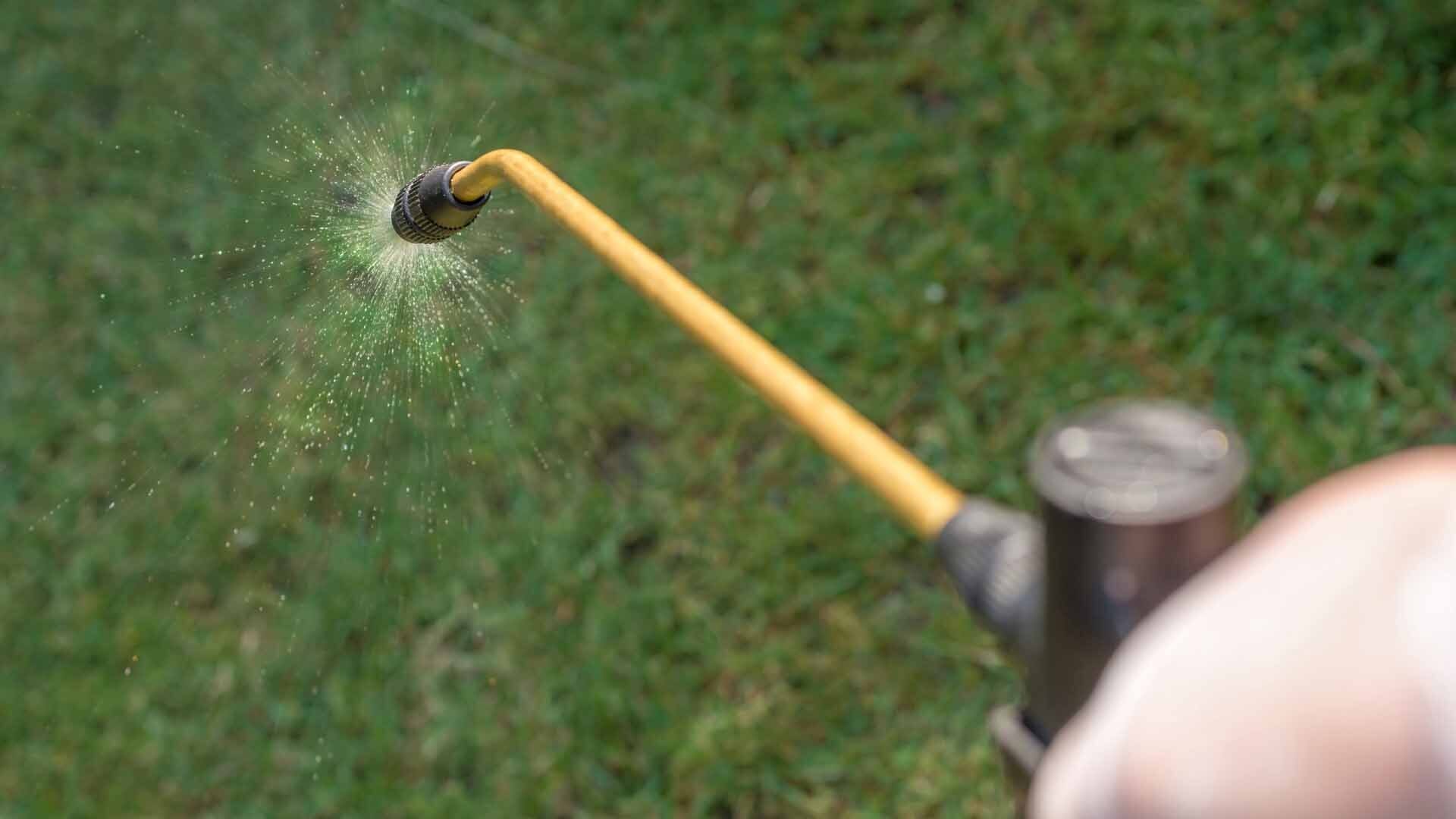
Experts use professional-grade products that are safe for your family and pets once dry, but highly effective against fleas.
Insect Growth Regulators (IGRs)
IGRs are the real game-changer. They’re harmless to people and pets but stop flea larvae from growing into adults. When used with a fast-acting adulticide, flea control team wipes out existing fleas and prevents new ones from emerging.
Deep Treatment
They treat the soil, shaded spots, and foliage where fleas hide to make sure the problem is fully handled.
Get Professional Pest Control Today – Contact Us Now! |
Answering Your Queries About Flea Infestation
1. How quickly can a flea infestation take hold in my yard?
Fleas multiply very fast under ideal conditions (warm and moist). Once a few fleas settle into your yard, their eggs can develop into new breeding adults in as little as two weeks. That means a small problem can quickly escalate into a full-blown infestation if not treated early.
2. Can fleas live in just dirt or sand, or do they need grass?
Yes, fleas can live in plain dirt or sand. They don’t need grass at all. As long as the area is shady, moist, and protected from the sun, fleas can survive in dust, soil, or under structures like decks and sheds. They often gather in the shaded spots where pets like to rest.
That’s why, at Finley Pest Control, we inspect your entire yard, not just the grassy areas, to make sure we find every possible flea hiding place.
3. How long does a yard treatment for flea removal last?
A yard flea treatment done by the professional team of Finley Pest Control can last several weeks, depending on weather, soil moisture, and flea activity in your yard. Our local team will guide you on whether a follow-up treatment is needed to keep your yard fully protected.
Pest Control Service Areas! | ||
Takeaway
Insects like fleas may be tiny, but they can take over your yard faster than you think. However, with the right lawn care habits, smart mulch choices, natural treatments, and help from professionals when needed, you can break their life cycle and keep your outdoor spaces safe and comfortable.
A flea-free yard doesn’t just protect your pets; it protects your entire home. And once you understand what fleas look for and how they behave, it becomes much easier to stop them before they spread.
But if fleas keep coming back, even after using DIY methods, don’t wait for the problem to grow. You must hire a trusted pest control service that can give you long-lasting relief and peace of mind.
Read More About
- How to Stop Pests in the Garden Without Hurting Your Plants
- How Often Should You Do Pest Control?
- Understanding Integrated Pest Management (IPM) for Homeowners
Protect Your Home From Fleas With Finley Pest Control in Rocklin
Don’t let pests or insects like fleas ruin your daily comfort! If DIY tricks aren’t helping you anymore, don’t just give up. Finley Pest Control in Rocklin is here to help you!
We protect homes from all types of unwanted pests and insects, such as fleas, bed bugs, spiders, cockroaches, ants, rodents, moths, and birds.
With over 10 years of experience in pest inspection and pest control service in Rocklin and nearby areas, we’re the locals’ first choice.
Call us today at 916-741-2847 to get fast, effective flea control and complete pest protection.